You can love Coconut Grove and still feel torn between a condo and a house. That is a common decision here because the neighborhood supports two very different ways of living, from low-maintenance bayside condo life to private residential living on tree-lined streets. If you are weighing both, the right choice usually comes down to how you want to spend your time, how much responsibility you want to take on, and what kind of long-term flexibility matters most to you. Let’s take a closer look.
Why this choice feels different in Coconut Grove
Coconut Grove is Miami’s oldest neighborhood, with roots dating to the 1870s. Its identity is shaped by a tropical, bayside setting, shaded streets, waterfront parks, and a relaxed but established character.
That setting makes the condo-versus-home question more personal here. In some markets, the difference is mostly about price. In Coconut Grove, it is also about lifestyle, privacy, walkability, maintenance, and how you want to experience the neighborhood day to day.
Condo living in Coconut Grove
A condo often works well if you want a simpler home base with less day-to-day upkeep. Under Florida condo law, the association is responsible for common elements, which generally shifts exterior and building maintenance away from you as the individual owner.
That can be especially appealing if you travel often, split time between cities, or want a residence that is easier to leave vacant. For many buyers, that lower-maintenance structure is one of the biggest advantages of condo ownership in the Grove.
When a condo may fit you best
A condo may be the better match if you value convenience more than private land. It can also make sense if you prefer shared building features and a more compact footprint.
In Coconut Grove, condos may especially appeal to buyers who want views, a more urban rhythm, and easier lock-and-leave living. If your focus is on having a polished base in a prime area rather than managing a full property, a condo can be a smart fit.
What to weigh with a condo
The tradeoff is that condo ownership includes association governance, reserve funding, and the possibility of assessments. Those are not side issues in Florida, especially now.
Florida’s post-Surfside rules matter when you are evaluating condo buildings. Buildings three stories or higher must undergo milestone inspections at 30 years, or at 25 years if local conditions such as proximity to salt water justify it. Many associations must also complete structural integrity reserve studies, and owner disclosure requirements apply.
That does not mean condos are a poor choice. It means your decision should include a close review of the building, not just the unit.
Home living in Coconut Grove
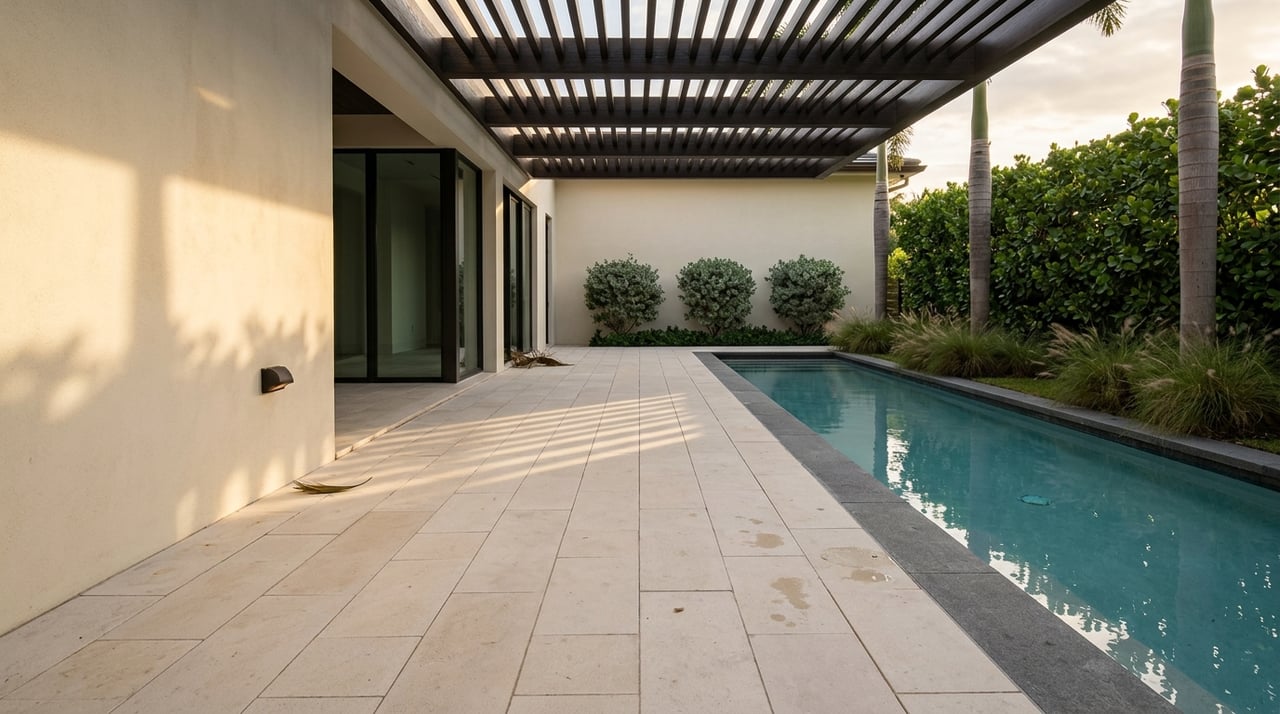
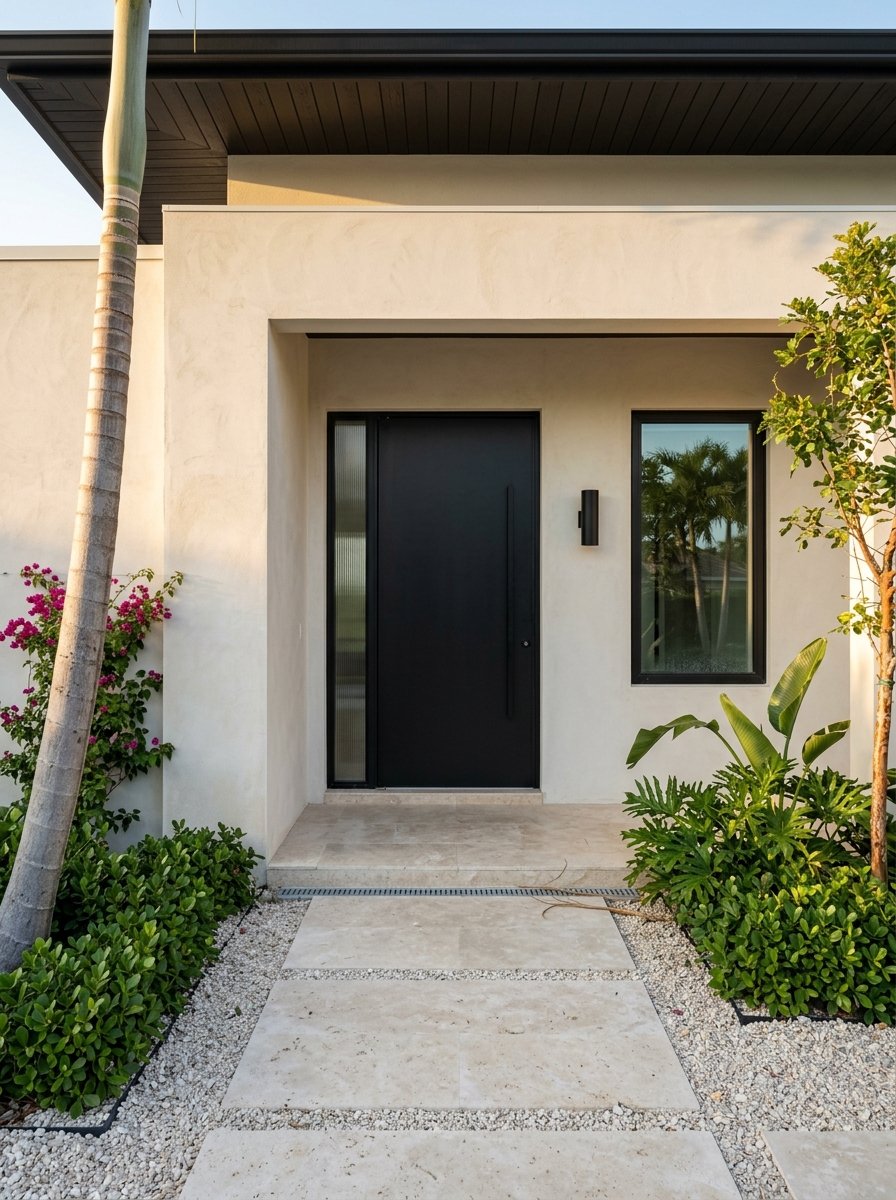
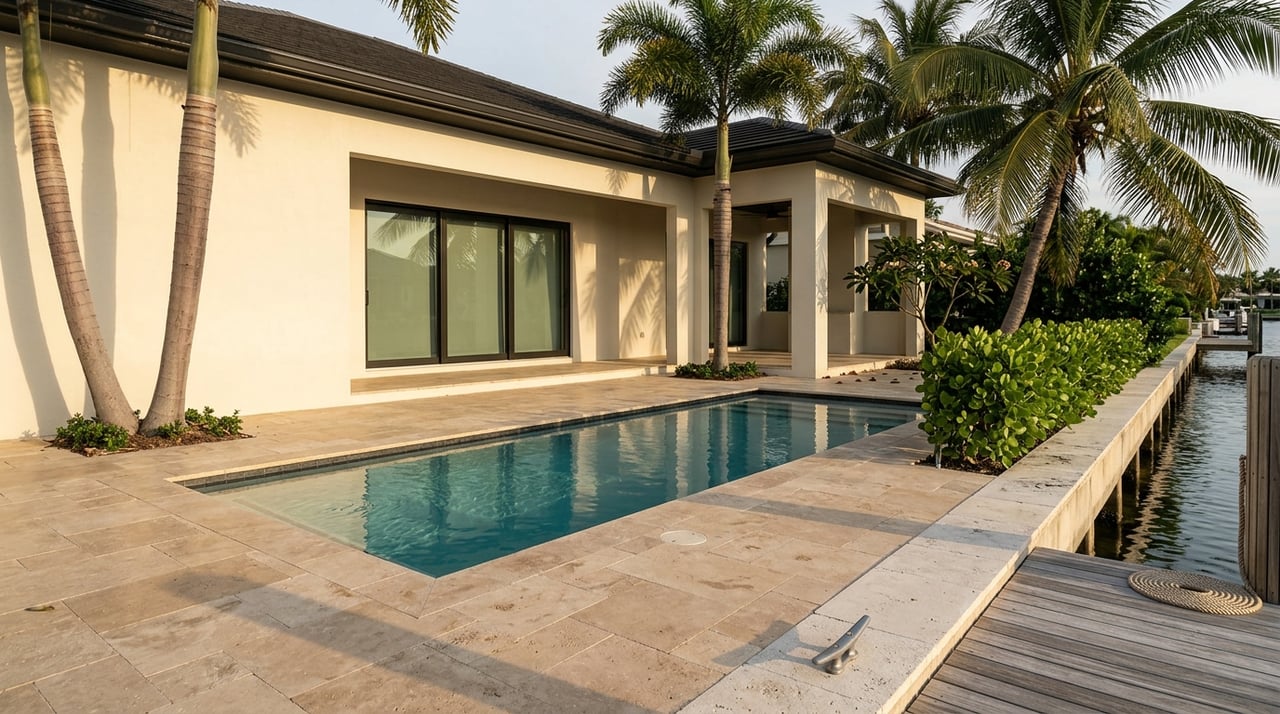
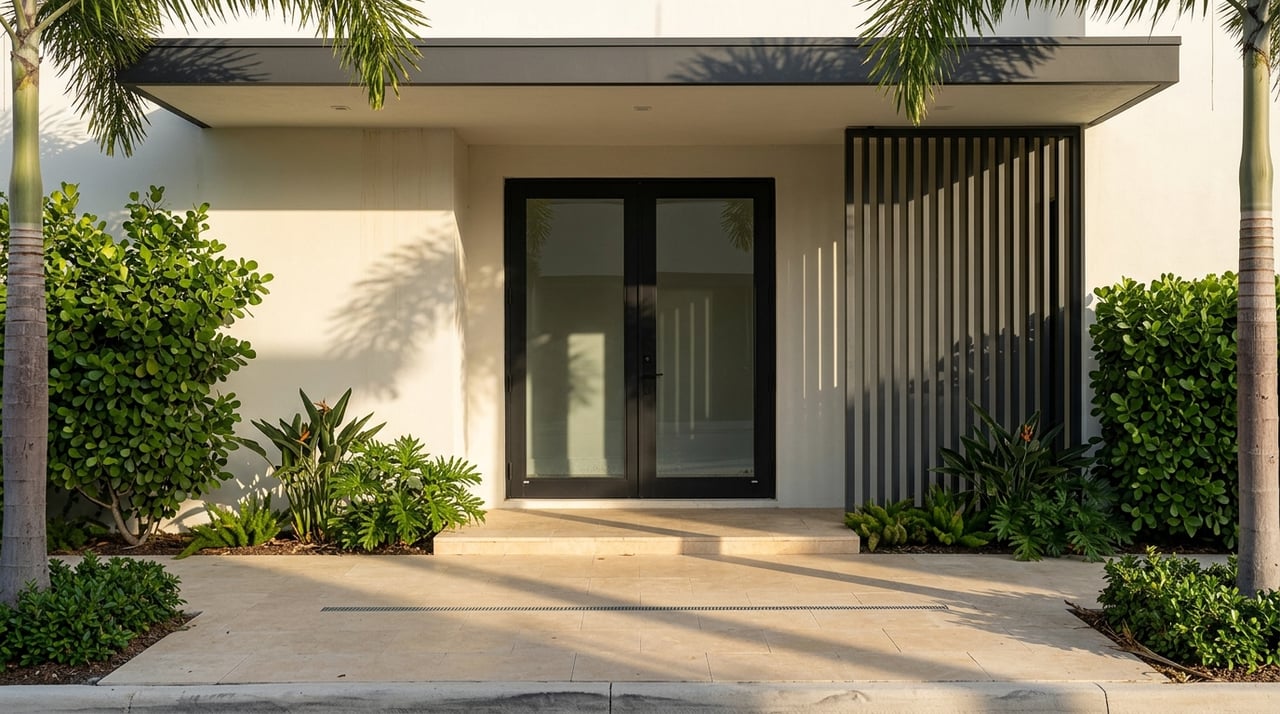
A single-family home usually offers more privacy, more outdoor space, and more freedom to shape the property around your lifestyle. If you picture leafy streets, a yard, room to entertain, or more separation from neighbors, a house may feel more aligned.
That matters in Coconut Grove because the neighborhood’s appeal is closely tied to its tree canopy, waterfront setting, and residential atmosphere. Many buyers are drawn to the idea of indoor-outdoor living here, and a detached home often supports that better than a condo.
When a home may fit you best
A home may be the better choice if privacy is a top priority. It also tends to make more sense if you want land, room to customize, or a longer list of household needs that may change over time.
If you care more about outdoor living than shared building amenities, a house will often feel like the stronger lifestyle match. For some buyers, that flexibility is worth the added responsibility.
What to weigh with a home
The tradeoff is that you take on more direct responsibility for upkeep, insurance, and property-level due diligence. Unlike condo ownership, where the association typically maintains common elements, a home puts more of that responsibility on you.
In Coconut Grove, flood diligence is especially important when comparing a home with a condo. Miami-Dade advises buyers to verify the official flood zone by address, because flood risk is parcel-specific rather than neighborhood-wide.
It is also worth knowing that if a house in a flood zone is damaged or improved beyond 50% of market value, it may need to be raised to current elevation standards. That is not a reason to avoid a home, but it is a practical factor to review early.
How the market compares right now
If budget is part of your decision, Miami-Dade market data gives helpful context. In April 2026, the median sale price for existing condos was $450,000, compared with $670,000 for single-family homes.
Supply also looked very different by property type. Existing condo inventory stood at 12.9 months of supply, while single-family inventory was 5.4 months.
Timing differed as well. Condos averaged 62 days to contract and 99 days to sale, while single-family homes averaged 45 days to contract and 82 days to sale.
These numbers are countywide, not Coconut Grove-specific, but they help frame the broader landscape. In practical terms, condos may offer more options and more room for comparison, while single-family homes may face tighter supply.
Cash buyers and global mobility
Coconut Grove attracts many internationally mobile and second-home buyers, so cash activity is relevant. In April 2026, cash sales accounted for 50.9% of Miami existing condo sales and 26.1% of single-family transactions.
That pattern helps explain why condos can appeal strongly to buyers who want efficiency, flexibility, and a streamlined footprint. For cross-border and part-time residents, that structure can be easier to manage.
For other buyers, a house still wins because of privacy, land, and long-term control. The better choice depends less on trend and more on how you plan to live.
A simple way to decide
If you are stuck between the two, start with your real priorities instead of the property type itself. Ask yourself what you want your life in Coconut Grove to feel like on an ordinary Tuesday, not just on move-in day.
Choose a condo if you want:
- Lower day-to-day maintenance
- A smaller, easier-to-manage footprint
- A home that is simpler to leave vacant while traveling
- Shared building features
- Views or a more urban, walkable feel over private land
Choose a home if you want:
- More privacy from neighbors
- Private outdoor space
- More freedom to customize the property
- A layout that can adapt over time
- Separation, land, and outdoor living over shared amenities
Long-term value: both can work
If you are thinking about resale or long-term value, both categories have shown durable price growth in Miami-Dade. Since 2011, condo prices have increased 295.4%, while single-family prices have increased 287.9%.
That is a useful reminder that this is not simply a question of which property type is "better." In many cases, it is about which one better fits your use case, risk comfort, and lifestyle priorities.
Due diligence before you decide
Whether you choose a condo or a home, your decision should be grounded in specifics. In Coconut Grove, that means looking beyond finishes and focusing on the structure behind ownership.
If you are considering a condo
Review the building documents carefully before you move forward. Key items to examine include:
- The declaration
- The current budget
- The reserve funding plan
- The latest structural integrity reserve study
- Any milestone inspection notices or repair notices
Florida law also requires certain owner notices and contract disclosures when required inspections or studies have not been completed. That makes document review an essential part of the buying process.
If you are considering a home
Verify the parcel’s flood zone and elevation context before you compare carrying costs with a condo. In Miami-Dade, flood risk should be checked by address, not assumed based on the broader neighborhood.
That one step can affect your planning in a meaningful way. It can shape your insurance expectations, future improvement decisions, and overall comfort with the property.
The best choice is the one that matches your life
In Coconut Grove, condos and homes each offer a compelling version of the neighborhood. One gives you a more contained, lower-maintenance lifestyle. The other gives you more privacy, more space, and more control.
The decision becomes clearer when you focus on how you live, how often you travel, what responsibilities you want to keep or avoid, and how you want your home to function over time. If you want a thoughtful, discreet perspective on which path fits your goals in Coconut Grove, Andrea Diaz, ONE Sotheby’s can help you evaluate the options with clarity.
FAQs
What is the main difference between buying a condo or home in Coconut Grove?
- In Coconut Grove, the main difference is usually lifestyle. A condo often offers lower day-to-day maintenance and shared building living, while a home usually offers more privacy, outdoor space, and control over the property.
What should condo buyers review in Coconut Grove before making an offer?
- Condo buyers should review the declaration, current budget, reserve funding plan, latest structural integrity reserve study, and any milestone inspection or repair notices tied to the building.
What should home buyers check about flood risk in Coconut Grove?
- Home buyers should verify the official flood zone by property address and review the parcel’s elevation context, since Miami-Dade notes that flood risk is parcel-specific rather than neighborhood-wide.
Are condos or homes more expensive in the Miami-Dade market?
- In the April 2026 Miami-Dade snapshot, the median sale price for existing condos was $450,000, compared with $670,000 for single-family homes.
Do condos and homes both show long-term value growth in Miami-Dade?
- Yes. Since 2011, Miami-Dade condo prices have increased 295.4%, while single-family prices have increased 287.9%, showing durable appreciation in both segments.