If you are selling a design-led home in Coconut Grove, you are not just bringing square footage to market. You are presenting architecture, landscape, and place as one story. In a neighborhood known for historic character, tree canopy, walkability, and access to the water, that story can shape how buyers understand your home from the first glance. Let’s dive in.
Why design matters in Coconut Grove
Coconut Grove gives architecture more weight than many neighborhoods do. The City of Miami’s Neighborhood Conservation District framework in the Grove is intended to help preserve the area’s historic, physical, and social character, while also protecting tree canopy and historic heritage.
That matters if you are selling a home with distinct design features. In Coconut Grove, architectural variety, a natural aesthetic, walkable streets, and proximity to the water are part of the neighborhood identity, so buyers often respond to homes that feel rooted in that context.
For some properties, the architecture is part of a larger local story. The City’s historic-preservation materials identify the Charles Avenue area as a place where Bahamian or Conch vernacular architecture can be found, and local design guidelines emphasize native building traditions and the legacy of original pioneers.
Lead with the home’s architectural story
A design-led sale starts with clarity. Before your home is photographed, staged, or priced, it helps to define what makes the property architecturally meaningful and how that connects to Coconut Grove.
This does not mean overselling or romanticizing the house. It means identifying the details that are real, visible, and relevant, then building your marketing around them in a polished, easy-to-read way.
Features worth preserving and highlighting
If your home has original or character-rich details, those may deserve more attention, not less. Miami’s historic-preservation guide points to features such as raised foundations, broad gabled or low-hipped roofs, double-hung sash windows, and balustraded front porches as meaningful elements in local conch and bungalow architecture.
Even if your home is not formally historic, these kinds of details can help your listing feel more credible and memorable. Buyers looking at Coconut Grove often want a sense of place, and design features can provide that faster than generic finishes alone.
A few items to review before listing include:
- Front porches and covered outdoor spaces
- Courtyards and garden connections
- Mature trees and established landscape design
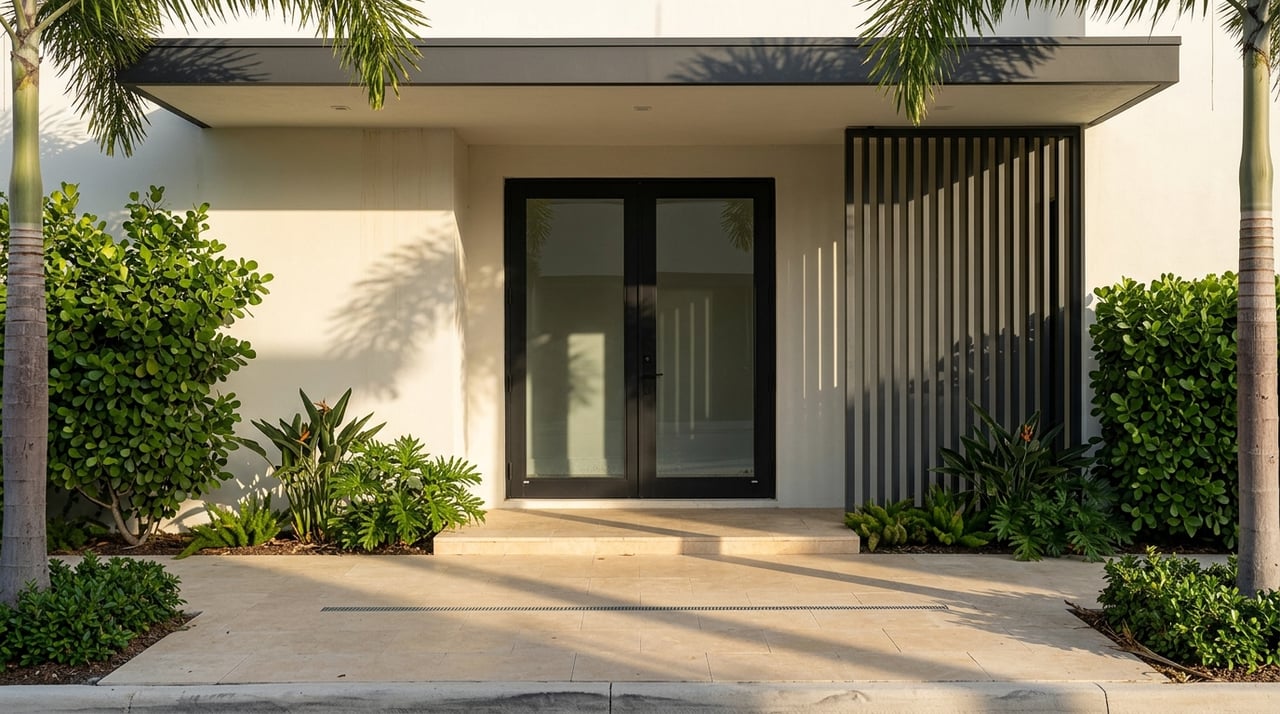
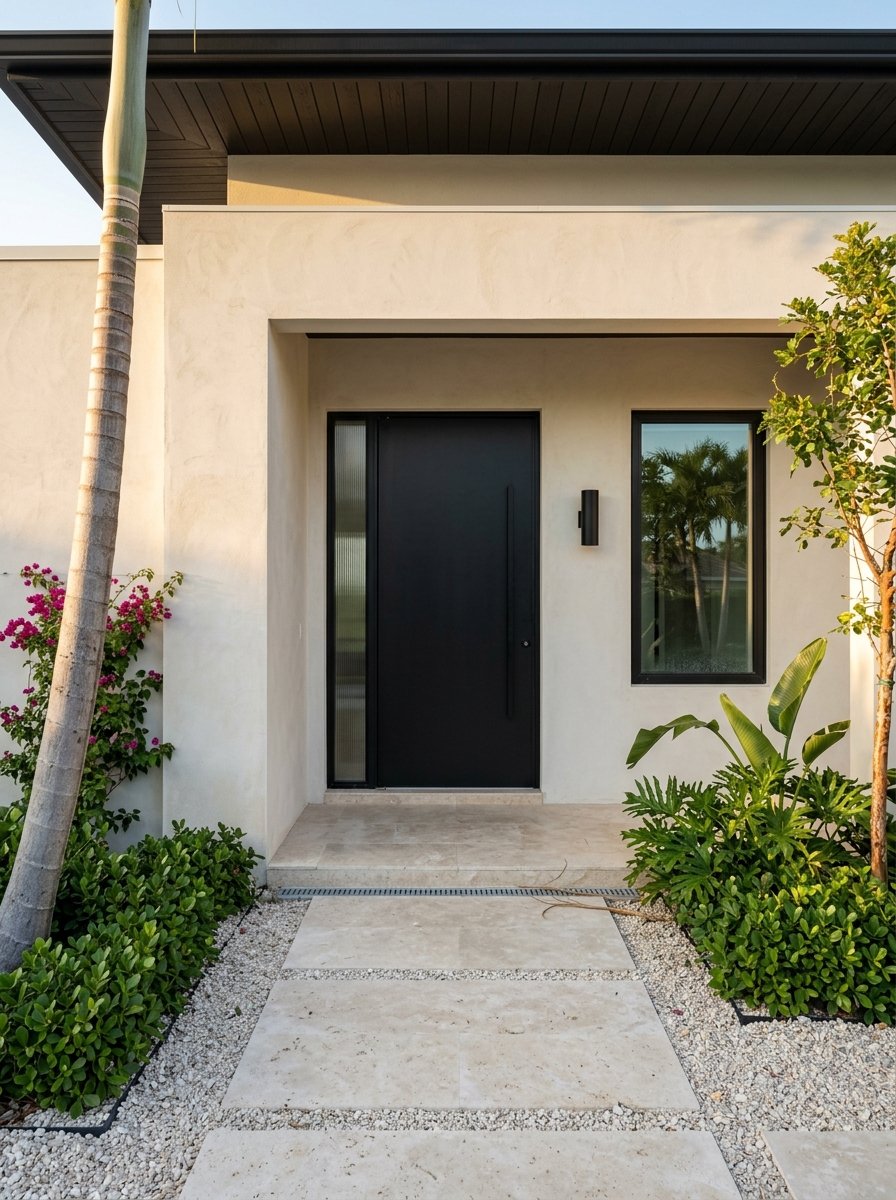
- Original windows, rooflines, and entry details
- The relationship between indoor and outdoor living areas
Outdoor spaces deserve equal attention
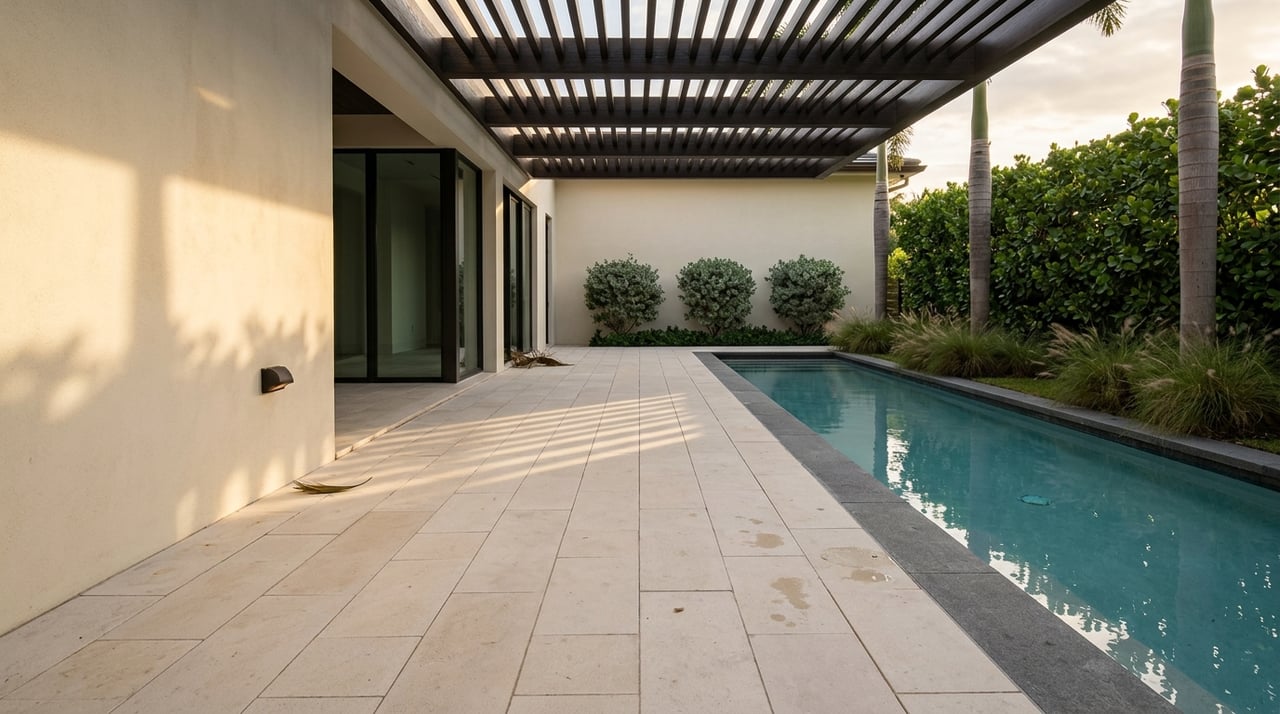
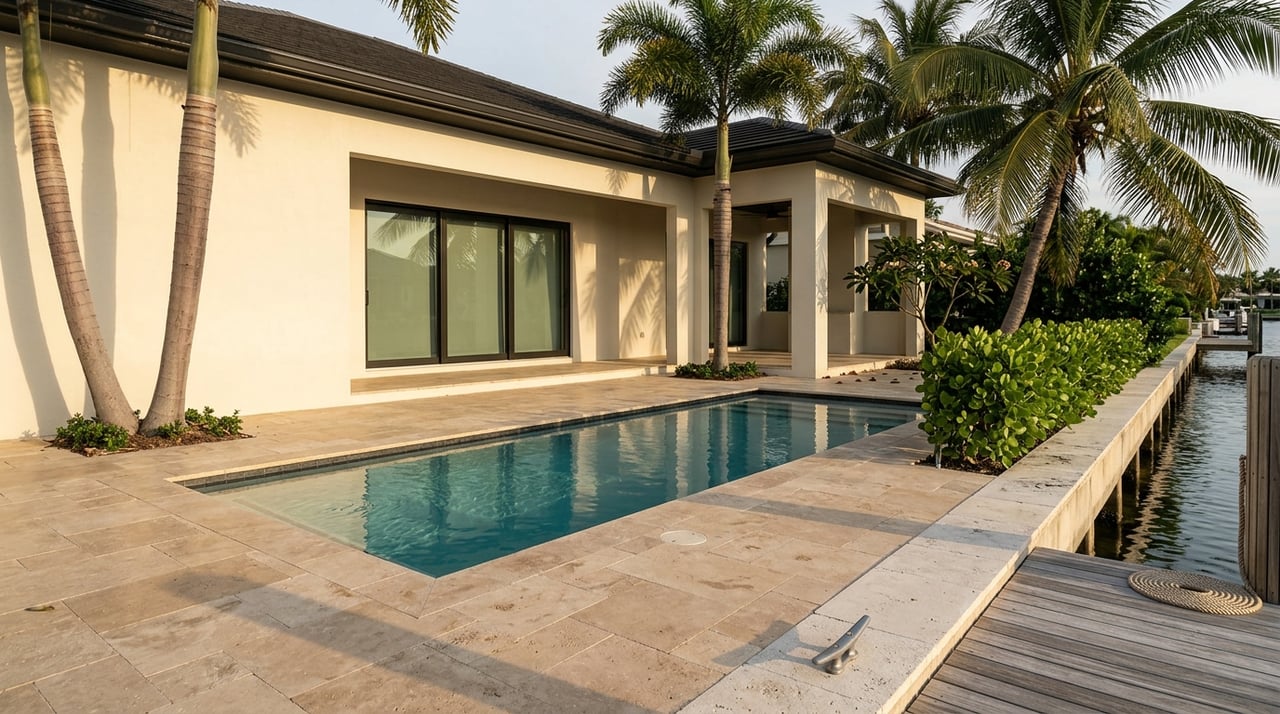
In Coconut Grove, porches, exterior rooms, and outdoor living spaces are not secondary. The City’s NCD rewrite specifically allows design flexibility to encourage porches and outdoor spaces while keeping building-volume rules and tree-canopy protections in place.
That gives sellers a useful cue. If your home has a courtyard, veranda, shaded terrace, or a strong garden sequence, those spaces should be staged and photographed with the same care as the kitchen or primary suite.
Check district and preservation status early
One of the most important steps in selling a design-led home is confirming what review framework may apply to the property. This is especially true if you are considering exterior updates, tree work, or other visual improvements before going live.
In Coconut Grove, a home may fall within NCD-2, NCD-3, or a historic review path depending on its location and status. That does not automatically prevent improvements, but it can affect timing, scope, and approvals.
Why early verification matters
If a property is historically designated or falls under a historic district review path, the City’s Historic and Environmental Preservation Board is responsible for identifying significant properties and closely monitoring alterations to them. That means exterior changes, demolition, or other updates may require review before work begins.
For sellers, the practical takeaway is simple: verify first, design second. It is much easier to shape a smart pre-listing plan when you know whether your updates are cosmetic, permit-based, or subject to historic review.
Exterior work may need permits
Landscape and tree work can also affect your timeline. The City of Miami requires the correct tree permit for trimming, removal, relocation, or planting work, and the City recommends starting the tree-permitting process before or at the same time as a master building permit to help avoid delays.
If your sale horizon is six to eighteen months, this becomes a planning issue, not just a maintenance item. In a neighborhood where mature landscape and tree canopy add to the visual identity of a home, this step is too important to leave for the last minute.
Plan your listing timeline carefully
Design-led homes usually benefit from a longer runway. That extra time allows you to confirm district status, organize documents, resolve permits, complete selective improvements, and build a more thoughtful visual package.
This is especially relevant in Coconut Grove because many of the neighborhood’s strongest selling points are exterior and experiential. Gardens, porches, facades, and tree canopy do not just support the listing. They often help define it.
A practical 6 to 18 month approach
If you have time before listing, a phased plan can help keep decisions focused. The goal is not to over-renovate. The goal is to present the home clearly and reduce friction before buyers begin asking questions.
A useful sequence may include:
- Confirm whether the property sits within NCD-2, NCD-3, or a historic review path.
- Identify architectural details that should be preserved, repaired, or highlighted.
- Review any planned tree, landscape, or exterior work for permit needs.
- Gather available records tied to improvements, approvals, and maintenance.
- Schedule staging, photography, and marketing once the home’s strongest visual story is ready.
Keep storm season in mind
Timing also matters for practical reasons. Atlantic hurricane season runs from June 1 through November 30, so exterior photography, landscape work, and major maintenance projects are often easier to schedule well ahead of or outside that window.
For a Coconut Grove seller, that can make a real difference. When outdoor spaces are central to the property’s appeal, weather and scheduling can directly affect how well the home shows online and in person.
Position the home for a broader buyer pool
A standout Coconut Grove listing should be easy to understand whether the buyer is local, out of state, or international. The most effective marketing package often feels clean, polished, and narrative-driven, especially when the architecture is a major part of the value.
That buyer mix matters in Miami. Florida Realtors reported that the Miami metro led the nation in international online home-shopping activity in the first quarter of 2026, and 45% of Florida’s international purchases took place in the Miami-Fort Lauderdale-West Palm Beach metro area.
Tell a story buyers can grasp quickly
When buyers are comparing homes from different cities, states, or countries, clarity matters. A design-led home tends to benefit from concise presentation that explains architectural pedigree, landscape maturity, provenance, and lifestyle in a way that is visually strong and easy to absorb.
This is not about using more words. It is about using the right ones. Your listing should help buyers understand why the home belongs in Coconut Grove and what makes it distinct within the neighborhood.
Luxury buyers often want low-friction presentation
The luxury context also supports a refined approach. In Miami-Dade, the single-family luxury threshold reached $4.1 million in the first quarter of 2026, while the ultra-luxury threshold reached $13.6 million.
At the same time, MIAMI Realtors reported that more than 70% of million-dollar condominium and townhome sales in 2025 were all-cash. While every property is different, that data points to a buyer pool that often values concise, polished presentation and a straightforward decision-making process.
Highlight lifestyle without losing design focus
Architecture may open the door, but setting helps complete the picture. Coconut Grove offers a village-like commercial core, walkable amenities, waterfront access, and local transportation features that can support listing copy when used carefully and factually.
The Coconut Grove trolley serves parks, shopping areas, and City Hall. Dinner Key Marina sits in a park-like setting with access to the neighborhood’s retail and entertainment core, including CocoWalk. The City also describes the Coconut Grove Business Improvement District as a group dedicated to protecting and enhancing the vitality of the commercial core.
These details help frame the home in context. If your property is design-led, the strongest marketing usually pairs architecture with the everyday experience of the neighborhood, rather than treating the house as isolated from its surroundings.
Strategic preparation, not overpromising
It is important to view pre-listing work as positioning, not a guaranteed price strategy. Strong demand and a compelling neighborhood story can support a thoughtful launch, but results still depend on pricing, condition, and how clearly the home’s architecture and landscape are communicated.
That is why a measured plan tends to outperform rushed cosmetic changes. When the home is presented with care, buyers are better able to understand what makes it distinctive and why it belongs in Coconut Grove’s design conversation.
If you are preparing to sell a design-led home in Coconut Grove, the most effective next step is often a strategic review of the property’s architectural features, exterior conditions, timing, and market positioning. For tailored guidance with a refined, bilingual, and globally connected approach, connect with Andrea Diaz, ONE Sotheby’s.
FAQs
What original features should you preserve when selling a design-led home in Coconut Grove?
- Focus on architectural details that support the home’s identity, such as raised foundations, broad gabled or low-hipped roofs, double-hung sash windows, balustraded front porches, and well-integrated outdoor living spaces.
What exterior work may need permits for a Coconut Grove home sale?
- Tree trimming, removal, relocation, or planting may require a City of Miami tree permit, and some broader exterior projects may also involve building permits or additional review.
How can you tell if a Coconut Grove home is in NCD-2, NCD-3, or a historic review area?
- Start by verifying the property’s location and status with the City of Miami before planning exterior changes, since review requirements can depend on district placement or historic designation.
How much lead time should you allow before listing a design-led home in Coconut Grove?
- A six to eighteen month runway can be helpful if you need time for permits, historic review, landscape planning, maintenance, staging, and exterior photography.
How should you market a Coconut Grove home to local and international buyers?
- Use a polished, easy-to-read presentation that clearly explains the home’s architecture, landscape, neighborhood context, and lifestyle appeal so buyers can quickly understand what makes the property stand out.